

 مدیر
مدیر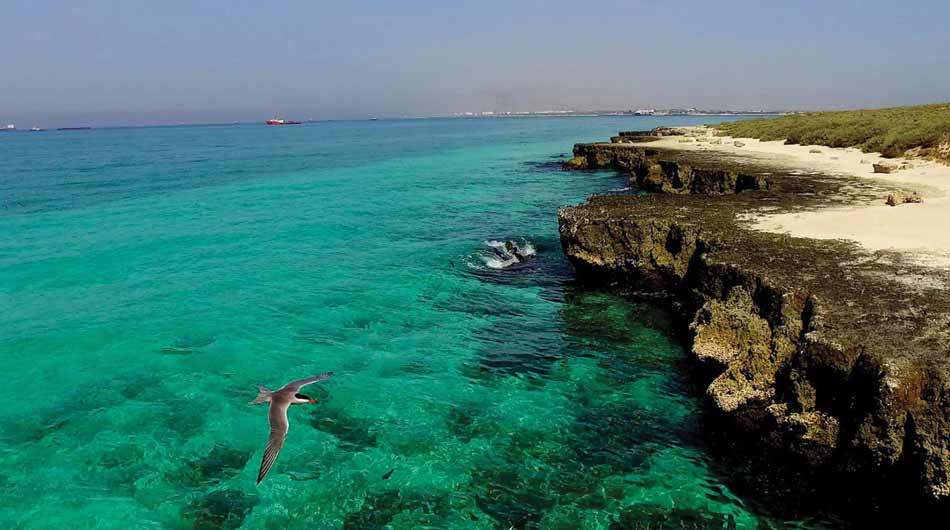
Lavan Island and Maru (Shidvar) Island: The Managed Return of the Persian Gulf’s Untouched Paradises
The islands of the Persian Gulf constitute a strategic national asset for Iran, representing a unique convergence of environmental value, sustainable tourism potential, and maritime identity. Among these islands, Lavan Island and Maru Island (also known as Shidvar) hold a particularly distinguished position. For many years, access to these islands was restricted or fully prohibited due to environmental sensitivity, conservation priorities, and management considerations.
Today, through a revised policy approach centered on smart governance, environmental responsibility, and controlled tourism, these islands are being carefully reintroduced into national planning frameworks—without compromising their ecological integrity.
Lavan Island: Location and General Overview
Lavan Island is situated in the western part of Hormozgan Province, within the waters of the Persian Gulf. Its strategic maritime location, combined with relatively untouched coastlines and a stable natural environment, makes Lavan one of the most promising candidates for low-impact, high-value tourism development in southern Iran.
Key Geographic and Natural Characteristics
- Calm sandy beaches with favorable marine access
- Clear coastal waters supporting diverse marine species
- Warm coastal climate with clearly defined tourism seasons
- Minimal light pollution, ideal for night-sky observation and professional photography
Lavan Island is among the few Iranian islands where carefully managed tourism activity can coexist with long-term environmental preservation.
Tourism Potential of Lavan Island
Under updated land-use and environmental management strategies, Lavan Island is positioned to become a benchmark destination for responsible marine and coastal tourism.
Approved and Recommended Activities
- Guided marine eco-tours
- Controlled boating and coastal excursions
- Nature, landscape, and wildlife photography
- Educational, academic, and research visits
- Limited and regulation-compliant camping activities
These tourism models aim to generate sustainable economic value while maintaining ecological balance and minimizing environmental pressure.
Maru (Shidvar) Island: A Protected National Natural Reserve
Maru Island, commonly referred to as Shidvar, is one of the most environmentally sensitive and valuable protected islands in Iran. Despite its small geographical size, the island plays a crucial role in preserving biodiversity across the Persian Gulf ecosystem.
Environmental Importance of Maru Island
- A major nesting site for endangered marine turtles
- Seasonal habitat for migratory seabirds
- Complete absence of permanent human settlements or infrastructure
- A highly fragile and entirely untouched natural ecosystem
Due to these factors, any form of human presence on Maru Island remains strictly limited, time-controlled, and subject to comprehensive environmental supervision.
Reassessment of Access Restrictions
Recent policy developments emphasize a transition from absolute access bans toward intelligent, science-based control mechanisms. This approach does not imply unrestricted entry; rather, it establishes structured frameworks for limited, responsible, and environmentally compliant visitation.
Core Principles Governing Access Management
- Absolute priority given to environmental conservation
- Strict limitations on visitor numbers and duration of visits
- Zero tolerance for disruption of wildlife and natural habitats
- Continuous monitoring and enforcement by responsible authorities
Within this framework, Lavan Island is eligible for managed tourism utilization, while Maru Island remains under the highest level of ecological protection.
Role of These Islands in Sustainable Southern Development
Together, Lavan and Maru Islands represent a forward-looking model of development—one that balances environmental preservation with strategic national planning.
Key Outcomes of This Sustainable Approach
- Long-term conservation of natural and marine capital
- Enhancement of Iran’s position in quality-oriented tourism markets
- Expansion of educational and scientific research opportunities
- Reinforcement of Iran’s maritime, environmental, and cultural identity
Conclusion
Lavan Island and Maru (Shidvar) Island, each serving a distinct ecological and functional role, are invaluable components of the Persian Gulf’s natural heritage. Their carefully managed reintegration into tourism and development strategies is not a threat to nature, but a clear demonstration of Iran’s commitment to intelligent conservation, responsible governance, and sustainable use of marine resources.
Only through adherence to scientific principles, strict environmental regulations, and long-term strategic vision can this path lead to lasting success—measured, responsible, and firmly oriented toward the future.