

 مدیر
مدیر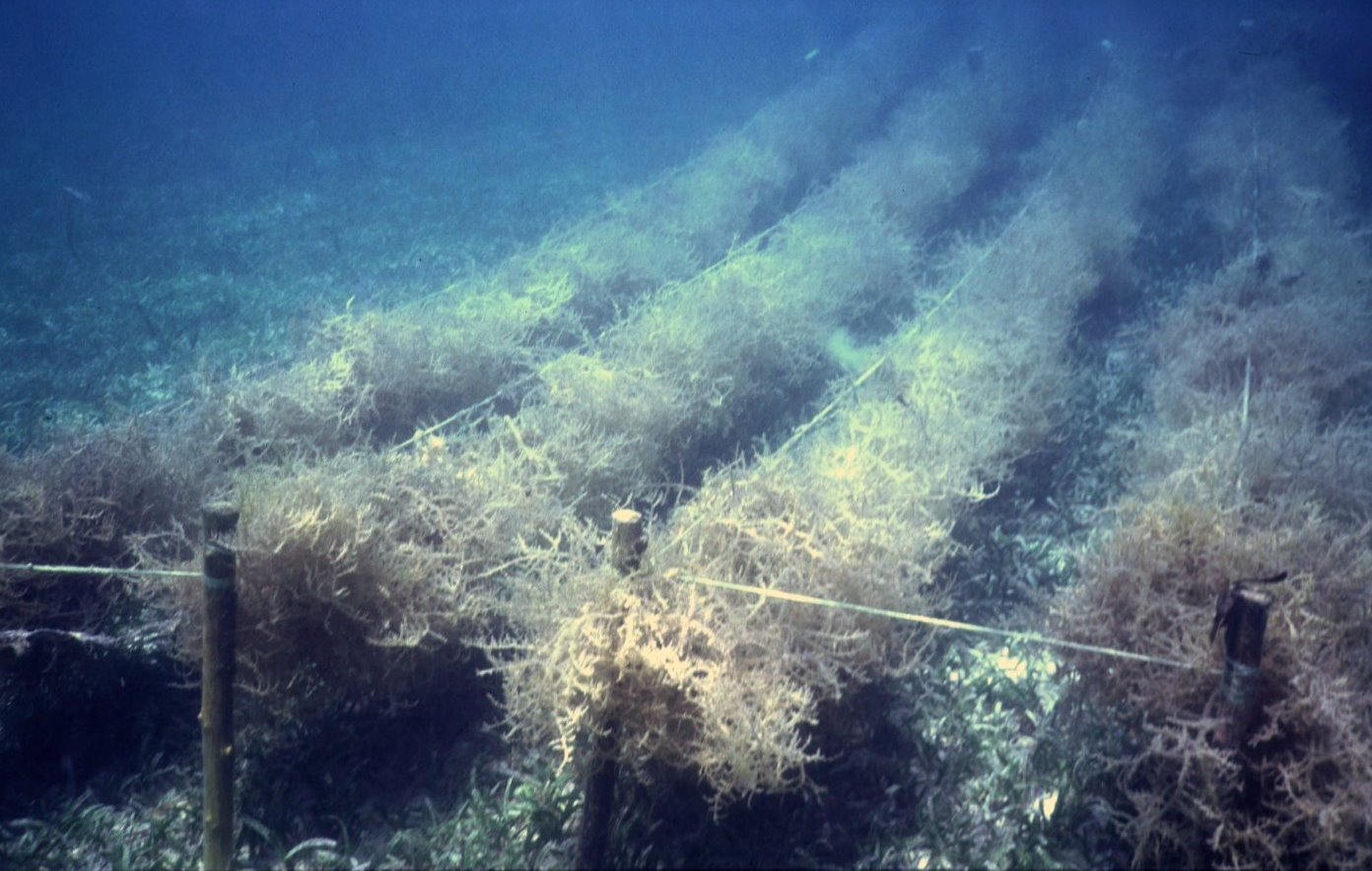
Seaweed Farming: A Strategic Driver of the Blue Economy Development in Chabahar
Chabahar is not merely Iran’s only oceanic port; it is rapidly emerging as a strategic hub for the country’s blue economy. Among the diverse maritime capacities of this region, seaweed farming has gained significant attention as a sustainable, high-value, and future-oriented marine industry. This sector aligns perfectly with global trends toward green growth, marine biotechnology, and sustainable coastal development.
What Is the Blue Economy and Why Does It Matter?
The blue economy encompasses all economic activities linked directly or indirectly to oceans, seas, and coastal areas. These include fisheries, maritime transport, renewable energy, marine tourism, and advanced aquaculture.
Key Advantages of the Blue Economy
- Reduced pressure on land-based natural resources
- Sustainable job creation in coastal communities
- High export potential with minimal freshwater consumption
- Development of knowledge-based marine industries
With its direct access to international waters, favorable climate, and expanding maritime infrastructure, Chabahar represents Iran’s most promising platform for blue economy implementation.
Seaweed Farming: The Green Gold of the Makran Coast
Globally recognized as “Green Gold,” seaweed has become a cornerstone of modern marine bio-industries. Its cultivation offers exceptional economic returns while maintaining environmental balance.
Strategic Applications of Seaweed
- Functional foods and nutritional supplements
- Pharmaceutical and cosmetic industries
- Aquafeed and livestock nutrition
- Organic and bio-fertilizers
- Marine biotechnology and bio-energy
Why Chabahar Is Ideal for Seaweed Cultivation
- Optimal Marine and Climatic Conditions
Stable seawater temperatures, high solar exposure, and appropriate salinity make Chabahar a low-risk, high-efficiency environment for cultivating commercial seaweed species.
- Direct Access to Open Seas
Unlike enclosed or semi-enclosed waters, Chabahar’s open-ocean environment enables large-scale cultivation with product quality meeting international standards.
- Strategic Proximity to Global Markets
Short maritime routes to South Asia, East Africa, and Southeast Asia significantly reduce logistics costs and enhance export competitiveness.
The Role of Marine Technology and Equipment
Industrial-scale seaweed farming relies heavily on reliable marine technology and precise maritime operations—from service vessels to advanced monitoring systems.
In emerging Makran coastal projects, the integration of smart navigation tools, marine monitoring solutions, and fuel-efficient outboard engines has become essential. In several operational frameworks, such technologies are delivered through specialized maritime service providers such as Atlas Marine and Darya Peymayesh, operating under the broader ecosystem supported by Atlas Peymayesh Holding, ensuring seamless offshore logistics and operational efficiency.
Seaweed Farming and Local Economic Empowerment
Socio-Economic Benefits
- Direct employment for coastal communities
- Development of local value chains from cultivation to export
- Skill enhancement in maritime and technical fields
- Reduction of coastal migration through sustainable livelihoods
Specialized marine holdings active in the region contribute by transferring operational know-how, standardizing offshore activities, and supporting local participation—an approach increasingly adopted in Chabahar’s blue economy roadmap.
Synergy Between Seaweed Farming and Other Marine Industries
When strategically integrated, seaweed farming complements:
- Advanced fisheries and aquaculture
- Port and offshore services
- Marine logistics and coastal infrastructure
- Scientific and eco-marine tourism
The use of low-consumption marine engines, high-accuracy navigation systems, and digital marine monitoring platforms—commonly seen in projects utilizing Suzuki and Garmin marine technologies—plays a vital role in improving safety, efficiency, and cost management across these interconnected sectors.
The Future of Seaweed Farming in Chabahar
Chabahar has the potential to:
- Become Iran’s leading seaweed export hub
- Attract marine biotech startups and research centers
- Capture a significant share of the regional bio-marine market
Achieving this vision requires strategic investment, professional marine management, and internationally compliant maritime infrastructure—a pathway increasingly shaped by private-sector expertise and integrated marine solutions.
Conclusion
Seaweed farming in Chabahar is more than an emerging industry; it is a cornerstone of Iran’s sustainable blue economy strategy. As global demand for marine bio-products continues to rise, Chabahar stands ready to become a regional benchmark—where green growth, marine innovation, and ocean-based prosperity converge.